A home air conditioner can continue running even when its coils are becoming heavily coated with dirt, dust, and debris. That can make coil problems easy to overlook until cooling performance starts to decline. Knowing the signs of professional coil cleaning can help homeowners address restricted airflow, longer run times, uneven cooling, and unnecessary strain before those issues develop into more expensive repairs.
Coils are responsible for transferring heat as your air conditioner operates. The indoor evaporator coil absorbs heat from the air inside the home, while the outdoor condenser coil releases that heat outside. When either surface becomes dirty, the system has a harder time moving heat efficiently.
For homeowners trying to understand whether their system needs attention, it helps to look beyond the obvious symptom of an AC that is not cooling. Many coil problems begin gradually. Understanding how they develop can make it easier to recognize when routine maintenance is no longer enough.
Why Air Conditioner Coils Matter
An air conditioner does more than circulate cool air. It continuously moves heat from one place to another, and the coils are central to that process. The evaporator coil is located on the indoor side of a typical central system and absorbs heat from air passing through it. The condenser coil, located outdoors, releases that heat into the surrounding air.
This heat-transfer process depends heavily on adequate airflow and clean coil surfaces. Dirt creates an insulating layer that interferes with the movement of heat. It can also restrict the passage of air through the coil, making the equipment work harder to produce the same level of cooling.
Dirt on evaporator coils can reduce airflow and eventually contribute to coil freezing, while coil fouling can reduce both cooling capacity and efficiency. That means coil cleaning is not simply a cosmetic task. A coil may look like a relatively minor component, but its condition can influence how effectively the entire cooling system operates.
5 Signs Your AC Coils May Need Cleaning
Your Air Conditioner Runs Longer Than Usual
One of the more noticeable signs is a change in how long the system operates. If your air conditioner used to reach the thermostat setting relatively quickly but now seems to run continuously or for substantially longer periods, restricted heat transfer may be part of the problem.
Dirty coils are not the only possible explanation. Low refrigerant, duct problems, thermostat issues, an undersized system, and failing components can produce similar symptoms. That is why unusually long cycles should be treated as a reason for diagnosis rather than proof that the coil is dirty. When contamination is present, however, the system may have to work longer to remove the same amount of heat.
Your Home Is Not Cooling Evenly
Another warning sign is a growing difference in temperature between rooms. You may notice that one bedroom remains warm while the living room feels comfortable, or that certain areas never seem to reach the thermostat setting.
Uneven cooling can have several causes, including duct leakage, insulation problems, inadequate airflow, thermostat placement, and system sizing. A restricted evaporator coil can also interfere with the movement of conditioned air through the system.
This is particularly important when uneven temperatures appear alongside other symptoms such as weak airflow or unusually long cooling cycles. Looking at the combination of symptoms provides more useful information than focusing on a single problem.
Airflow Feels Weaker at the Vents
Weak airflow is another condition worth investigating. When the evaporator coil becomes heavily contaminated, dirt can interfere with the movement of air across the coil surface.
A clogged filter is often the first thing homeowners should check because filters are accessible and relatively easy to inspect. If the filter is clean or has been changed recently but airflow remains weak, the restriction may be farther inside the system.
A professional can evaluate the coil along with the blower, ductwork, filter, and other airflow-related components. This distinction matters because cleaning a coil will not correct an unrelated duct restriction or blower problem.
The Evaporator Coil Is Freezing
Ice on the indoor coil is a particularly important warning sign. A homeowner may see frost or ice around the indoor air handler or notice water appearing after the ice melts.
Restricted airflow is one possible contributor. When insufficient air moves across the evaporator coil, the coil temperature can fall too low and moisture can freeze on its surface. As ice accumulates, airflow can become even more restricted, creating a cycle that further reduces cooling performance.
However, a frozen coil does not automatically mean the coil needs cleaning. Refrigerant problems, blower issues, clogged filters, and other mechanical conditions can also cause freezing. A technician should determine the underlying cause rather than simply removing the ice.
Energy Bills Increase Without a Clear Explanation
A sudden increase in cooling costs can sometimes point toward declining system efficiency. If your household usage and thermostat settings have remained relatively consistent but the AC is working longer, the system may not be transferring heat as effectively as it should.
Dirty coils are one possible explanation. Dirty coils reduce a system’s ability to cool the home and cause the equipment to run longer, which can increase energy costs and shorten equipment life.
This does not mean every increase in an electric bill is caused by dirty coils. Weather, utility rates, changes in occupancy, thermostat settings, and other equipment problems can all affect energy consumption. The useful clue is a persistent change in operating behavior that occurs at the same time as the higher bills.
What Dirty AC Coils Actually Look Like
Outdoor Condenser Coil Buildup
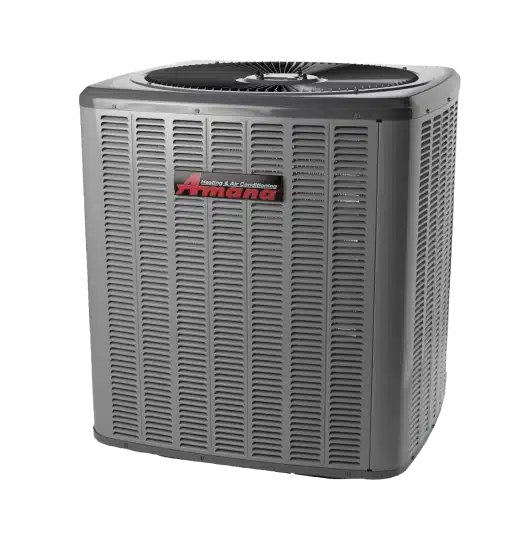
The outdoor condenser coil is exposed to the environment, so it can collect grass clippings, leaves, dust, pollen, and other debris. Landscaping activity can make the problem worse when debris is repeatedly blown toward the condenser.
Heavy buildup can restrict airflow around the outdoor coil and interfere with heat rejection. Bent fins can create another restriction because the thin metal surfaces need to remain open enough for air to pass through them.
Indoor Evaporator Coil Contamination
The indoor coil is less visible, which makes contamination harder for homeowners to recognize. Dust can accumulate when filters are neglected, improperly fitted, damaged, or bypassed by air around the filter.
Moisture is also part of normal evaporator-coil operation, which means accumulated dust and debris can become more difficult to remove as time passes. Access can be limited depending on the design of the air handler or furnace.
For that reason, attempting to reach an inaccessible coil with household tools can create more problems than it solves. The delicate fins can bend easily, and inappropriate cleaners or excessive moisture can damage surrounding components.
Why Professional Coil Cleaning Is Different
Professional cleaning involves more than spraying the visible side of a coil. A technician first needs to determine whether contamination is actually present and whether cleaning is appropriate for the condition of the equipment.
The cleaning method also matters. Coil fins are delicate, and aggressive brushing, excessive pressure, or inappropriate chemicals can damage the surface. Industry cleaning guidance emphasizes that cleaning methods and products should be selected to avoid appreciable damage to coil surfaces and fins.
A proper service visit can also reveal problems that cleaning alone cannot solve. A technician may identify a clogged drain pan, restricted airflow, damaged fins, blower contamination, refrigerant concerns, or other conditions affecting cooling performance.
This is why coil cleaning is most useful when it forms part of a broader maintenance and diagnostic process rather than being treated as an isolated cosmetic service.
When Cleaning Should Be Part of Routine Maintenance
Coil cleaning does not necessarily need to wait until the air conditioner develops an obvious problem. Preventive maintenance gives technicians an opportunity to inspect components before performance noticeably deteriorates.
The timing can be especially relevant before periods of heavy cooling demand. In Texas, air conditioning systems may operate for extended periods during hot weather, making airflow and heat-transfer problems more consequential.
Homeowners can also reduce contamination by keeping air filters properly maintained and keeping the outdoor condenser area clear of leaves, grass, and other debris. These simple measures do not replace professional maintenance, but they help reduce the amount of material reaching critical components.
What Happens If Coil Cleaning Is Ignored?
A dirty coil does not necessarily cause an immediate breakdown. The bigger concern is that reduced performance can persist for months while the system continues operating under less-than-ideal conditions.
Longer run times can increase energy consumption. Restricted airflow can affect comfort. Severe evaporator contamination can contribute to freezing, while heavily contaminated outdoor coils can make heat rejection more difficult.
The longer an underlying issue continues, the more difficult it can become to determine whether cleaning alone will restore normal performance. In some cases, the coil may also have bent fins, corrosion, or other damage that needs to be evaluated separately.
The goal is therefore not to clean every coil simply because some dust exists. The goal is to recognize when contamination is affecting system performance and address it appropriately.
How Coil Cleaning Fits Into AC Maintenance
Coil condition should be considered alongside the rest of the air conditioning system. A clean coil cannot compensate for an improperly charged system, damaged blower, blocked filter, leaking ductwork, failing electrical component, or inaccurate thermostat.
That is why homeowners should consider coil cleaning within the larger context of air conditioner coil cleaning and preventive service. A complete maintenance visit can evaluate multiple components and help determine whether a performance problem is actually related to the coils.
For homeowners who want to reduce the chance of unexpected cooling problems, Accurate Home Services provides air conditioning maintenance that includes inspection and servicing of HVAC components. Their maintenance services also address issues such as thermostat operation and system performance. (Accurate Home Services)
When Cleaning Is Not Enough
There are situations where dirty coils are only one part of the problem. If the system continues to struggle after cleaning, additional diagnosis may be necessary.
For example, low refrigerant can produce symptoms that resemble airflow or coil problems. A malfunctioning blower can reduce air movement across a clean evaporator coil. A damaged condenser fan can also prevent the outdoor unit from releasing heat properly.
Water around the indoor unit can have multiple causes as well. A frozen coil, clogged condensate drain, or drainage problem may all produce moisture-related symptoms.
In these situations, cleaning the coil without identifying the underlying fault may provide little lasting improvement. Accurate diagnosis is what determines whether the system needs cleaning, repair, adjustment, or another form of service.
How to Reduce Future Coil Buildup
Homeowners have several practical ways to reduce the amount of contamination reaching their HVAC system. Checking the air filter regularly is one of the most important. Inspect, clean, or change central air conditioner filters monthly, depending on the system and filter type.
The outdoor unit should also have adequate clearance from leaves, grass clippings, and other debris. Keeping landscaping from growing directly around the condenser helps maintain the airflow required for heat rejection.
It is equally important not to assume that a thicker or more restrictive filter is automatically better. The filter should be compatible with the HVAC system and installed correctly. Excessive restriction can create airflow problems of its own.
Take the Next Step With Accurate Home Services
When your AC is running longer, cooling unevenly, or showing signs of restricted airflow, the frustration often comes from not knowing whether the problem is a dirty coil or something more serious. Accurate Home Services can evaluate the system, identify the source of the problem, and explain the appropriate next step rather than relying on symptoms alone.
If your air conditioner is already showing signs of trouble, contact Accurate Home Services to get your system evaluated.