In the U.S., lightning strikes cause more than a billion dollars worth of damages each year. Insurance covers much of those costs, but homeowners often find themselves on the hook for more than they expected. That’s why the licensed electricians at Accurate Home Services recommend whole-home surge protection in Athens, TX. A house surge protector can save you money in damages and insurance costs. It will also give you peace of mind that your family has better protection from fires and other electrical mishaps.
Give us a call at 972-366-0557 or reach out online to schedule your appointment today!
“We will only use Accurate Home Services. They are honest and have fair prices, explain everything thoroughly and everything works great after the install. Techs were courteous and knowledgeable. Thanks!!”
Many homeowners are unaware that the National Electrical Code now requires a whole-home surge protector. The National Fire Protection Association added that requirement with the 2020 update. Does that mean you have to update? No, you’re not legally bound to. That said, if you ever perform electrical upgrades that require a permit, you will be. Upgrading now future-proofs your house and also makes it a lot safer.
Direct and indirect lightning strikes are certainly a concern, but they aren’t the only ones. A blown transformer is another example of an external surge that can damage your home. You can also experience damaging internal surges. This includes surges from air conditioners, heat pumps, standby generators, and other appliances with powerful motors.
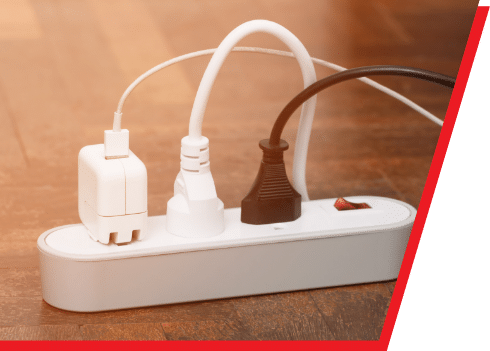
There are two main types of house surge protector devices: Type 1 and Type 2. The NEC requires a Type 2 surge protection device. We also recommend using Type 3 devices, such as surge protector strips. Our electricians install Type 2 devices inside a home at the panel, and they provide protection against the most common issues. Those include indirect lightning strikes and internal surges and spikes.
Homeowners have the option of adding both Type 1 and Type 2 protection. Type 1 devices function outside of the home. The goal of these is to provide protection between the grid and the house’s electrical system. They provide the best protection from direct lightning strikes and anomalous grid power. Those events aren’t common but can be incredibly destructive.
There are many benefits to installing a house surge protector:
Prevent electrical fires
Home insurance discounts
Avoid expensive repair costs
Protection against lightning strikes
Safeguard valuable electronic devices
Athens House Surge Protector Specialists
Accurate Home Services is a family-owned and operated company that’s served Athens homeowners for over 30 years. We’re an electrical contractor that specializes in surge protector installation. We employ licensed electricians and provide them with ongoing training. Our company often has money-saving promotions available and offers financing options on approved credit.
We pride ourselves on outstanding customer service and care. We also stand behind our work with a lifetime labor guarantee and a 100% customer satisfaction guarantee. Accurate Home Services is a top electrical contractor for expert surge protector installation.
If you’d like to learn more about installing whole-home surge protection in Athens, contact Accurate Home Services today.