Electrical surges can originate inside and outside the home. They can be powerful enough to damage a home’s electrical system and even start a fire. That’s why the National Fire Protection Association has added surge protection to the National Electrical Code. If you want to add whole-home surge protection in Mineola, TX, the licensed electricians at Accurate Home Services can help. A house surge protector will give you peace of mind and may even help you save on your home insurance.
24/7 Emergency Service Available
Now Serving Your Area
Whole Home Surge Protection Installation in Mineola, TX
$50 Off Any Electric Service
Call For Details
“We will only use Accurate Home Services. They are honest and have fair prices, explain everything thoroughly and everything works great after the install. Techs were courteous and knowledgeable. Thanks!!”
- Misty H.
Personalized, Effective Whole-Home Surge Protection
Updates to the NEC affect builders constructing new homes, but you are not legally required to add whole-home surge protection to an existing home. That said, it’s a worthwhile consideration for all homeowners. Surge protector installation will make your home safer and more future-proof. If you ever need electrical work requiring a permit, it likely will be a requirement then.
Another common question concerns how the various types differ and why the NEC only requires Type 2. A Type 2 surge protection device (SPD) operates between the electrical panel and the rest of the home’s electrical system. It protects against indirect lightning strikes, which are the most common form. A Type 2 SPD also protects against surges and spikes that originate within the home.
A Type 1 SPD functions outside the home between the electrical panel and power lines. It protects against direct lightning strikes and anomalous grid power. These events are uncommon, which is why the NEC doesn’t require them. Still, when they occur, they can be devastating. That’s why many homeowners opt to install both Type 1 and Type 2 SPDs.
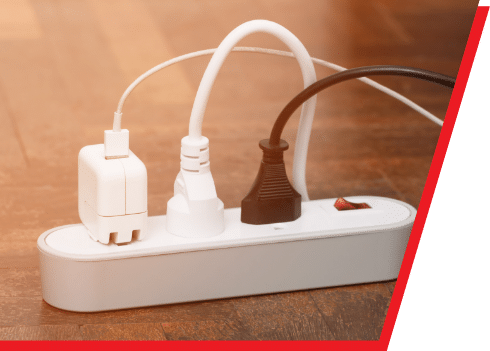
What about a Type 3 house surge protector? Type 3 SPDs are local protectors, such as the surge protection strip you plug your computer into. There are options for Type 3 whole-home surge protection. You can, for instance, install outlets with integrated Type 3 SPDs. That lets you use your outlets without a separate surge protector.
A house surge protector protects against many different electric surges:
- Short circuits
- Lightning strikes
- Standby generators
- Blown transformers
- High-drain home appliances
Mineola House Surge Protector Installation
Accurate Home Services is an electrical contractor that’s served homeowners throughout Mineola and the surrounding areas for over 30 years. Our company employs licensed electricians and provides them with an ongoing education. We offer a wide range of products from the top brands and often have promotions available. You can expect free installation quotes and financing on approved credit. We also stand behind our work with labor and satisfaction guarantees.
Would you like to protect your family and house with whole-home surge protection in Mineola? Call Accurate Home Services today or contact us online to set up an in-home consultation.

©2025 Accurate Home Services. All Rights Reserved. License: #TACLB 11807C | Electrical Contractor License: #TECL36673. Privacy Policy. Web Design and Internet Marketing by RYNO Strategic Solutions